
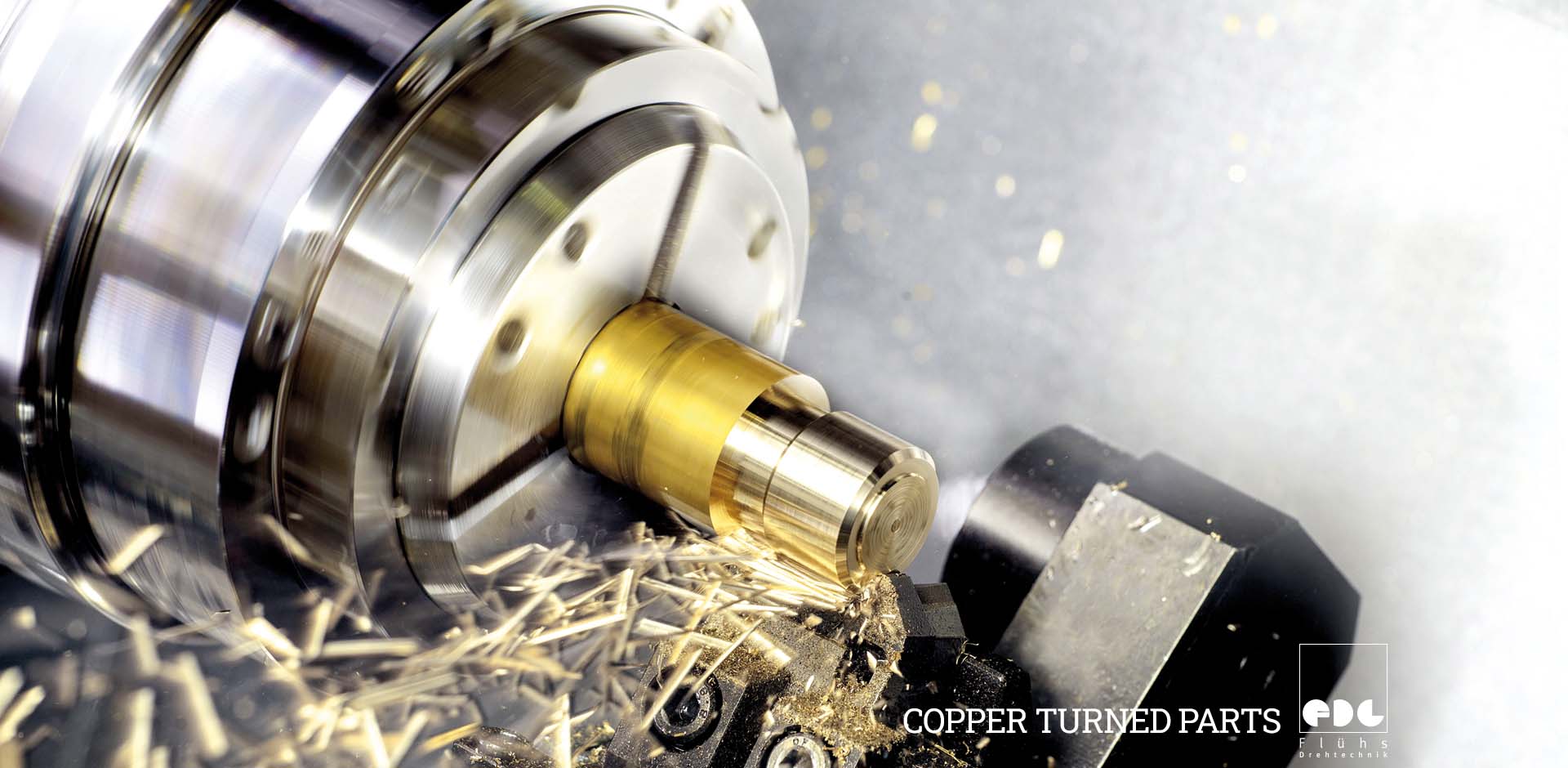
Copper Turned Parts from the Manufacturer: Small & Large Series | Flühs
Flühs is an experienced manufacturer of high‑quality copper turned parts in small and large series, specializing in the production of turned parts since 1926.
If you have any questions, please contact info@fluehs.de or call us on +49 2351 975-0.
Copper turned parts are available in various alloy compositions, which offer a wide range of applications, for example in electrical and sanitary applications, but also in mechanical and plant engineering.
Copper turned parts are manufactured using CNC machines, resulting in precisely manufactured, high-quality products that can be produced in any quantity in small and large series.
This article deals with copper turned parts and their different types, how copper turned parts are manufactured and what advantages and disadvantages they have.
Copper Turned Parts
Copper turned parts are precision-engineered components made from copper using turning techniques and are valued for their excellent thermal and electrical conductivity, good corrosion resistance, and long service life, making them especially suitable for plumbing and electrical installations.
Copper is a non‑ferrous transition metal. Thanks to its plasticity, it is very well suited to machining for the production of copper turned parts. With a density of 8.93 g/cm³ (at 20 °C), it is classified as a heavy metal. Copper is indispensable across many industries, including aerospace, automotive, and building services.
Copper turned parts can be made from near‑pure copper or copper‑based alloys, each with specific pros and cons.
What types of copper turned parts exist?
There are various types of copper turned parts, like bushings, sleeves, fittings and connectors, that are based on different alloys, including bronze (copper-tin) and brass (copper-zinc), or consist of almost pure copper, so-called e-copper (electrolytic copper).
Copper turned parts made of near‑pure copper (Cu‑ETP), also called electrolytic tough pitch copper, are oxygen‑bearing and offer a very high conductivity but relatively low mechanical strength. Copper is widely used in the electrical industry.
Copper turned parts made from the copper alloy bronze (CuSn) have the highest corrosion resistance of all turned parts made from copper alloys. Bronze offers good sliding and spring properties and is suitable for use in salt water. The metal also has high strength and can be used at high temperatures. Bronze consists of approx. 88 to 95 % copper and 5 to 12 % tin. The bronze alloy is often enriched with other elements like aluminum, beryllium and silicon, in order to strengthen certain properties of the material, for example, its malleability or corrosion resistance. Bronze is mainly used in the automotive industry and for parts in ship fittings.
Copper turned parts made from the copper alloy brass (CuZn) are very water and corrosion resistant and less susceptible to cracking or breaking. Brass consists of approx. 55 to 95% copper and 5 to 45% zinc. To change properties such as strength, corrosion resistance and machinability, other substances such as aluminum, silicon and manganese are often added to the alloy. Brass is easy to machine and can therefore be optimally adapted to a wide range of conditions. In addition to its practical qualities, brass also offers aesthetic properties, which play a particularly important role for visible components.
Which copper turned parts does Flühs manufacture?
At Flühs, many copper turned parts are produced from copper‑zinc alloys (brass), for example valve components used in building services.
Brass is well suited to potable‑water components because of its corrosion resistance, excellent machinability, and dimensionally stable processing characteristics. Consequently, components for the plumbing and building‑services sectors have been a core focus of our production for many years. Among others, we use CW617N to EN 12164. CW617N (CuZn40Pb2) is a lead‑alloyed brass (≤ 2.2% Pb) still suitable for potable water; the lead improves machinability.
Flühs uses a wide range of brass alloys, selected for strength, machinability, or standards compliance, depending on the application.
What are the advantages and disadvantages of copper turned parts?
The main advantage of copper turned parts is their good workability, excellent electrical and thermal conductivity. The main disadvantage of copper turned parts is their comparably high price. Copper turned parts are characterized by high impact strength, ductility and good machinability. Copper has good formability and can be easily optimized with various surface treatments.
Copper is the second best electrical conductor in the world, only silver exceeds its thermal and electrical conductivity. Copper turned parts are therefore ideal for applications where low electrical resistance is required, like in printed circuit boards, heating systems, heat exchangers or electrical contacts.
Copper turned parts have high ductility, good formability and mechanical strength. Copper forms a patina layer when it is exposed to air. This process is called natural self-passivation. The additional layer protects the material from environmental influences.
Compared to aluminum and steel, for example, copper has a higher purchase price. Copper turned parts are associated with higher material costs compared to components made of aluminum or steel - due to the higher global raw material price of copper. Copper has a relatively low global availability and involves a complex extraction and refining process. In addition, there is a steadily growing demand in future-oriented sectors such as electromobility, renewable energies and building technology. The primary raw material copper is therefore in demand worldwide and its price is at a high level.
Copper is extremely resistant in many areas. In environments with highly aggressive media, such as in the chemical industry, reactions with certain substances are possible. This applies in particular to contact with strong acids, alkalis or base metals. It is therefore important to check whether copper is the right material for the application in question.
How are copper turned parts manufactured?
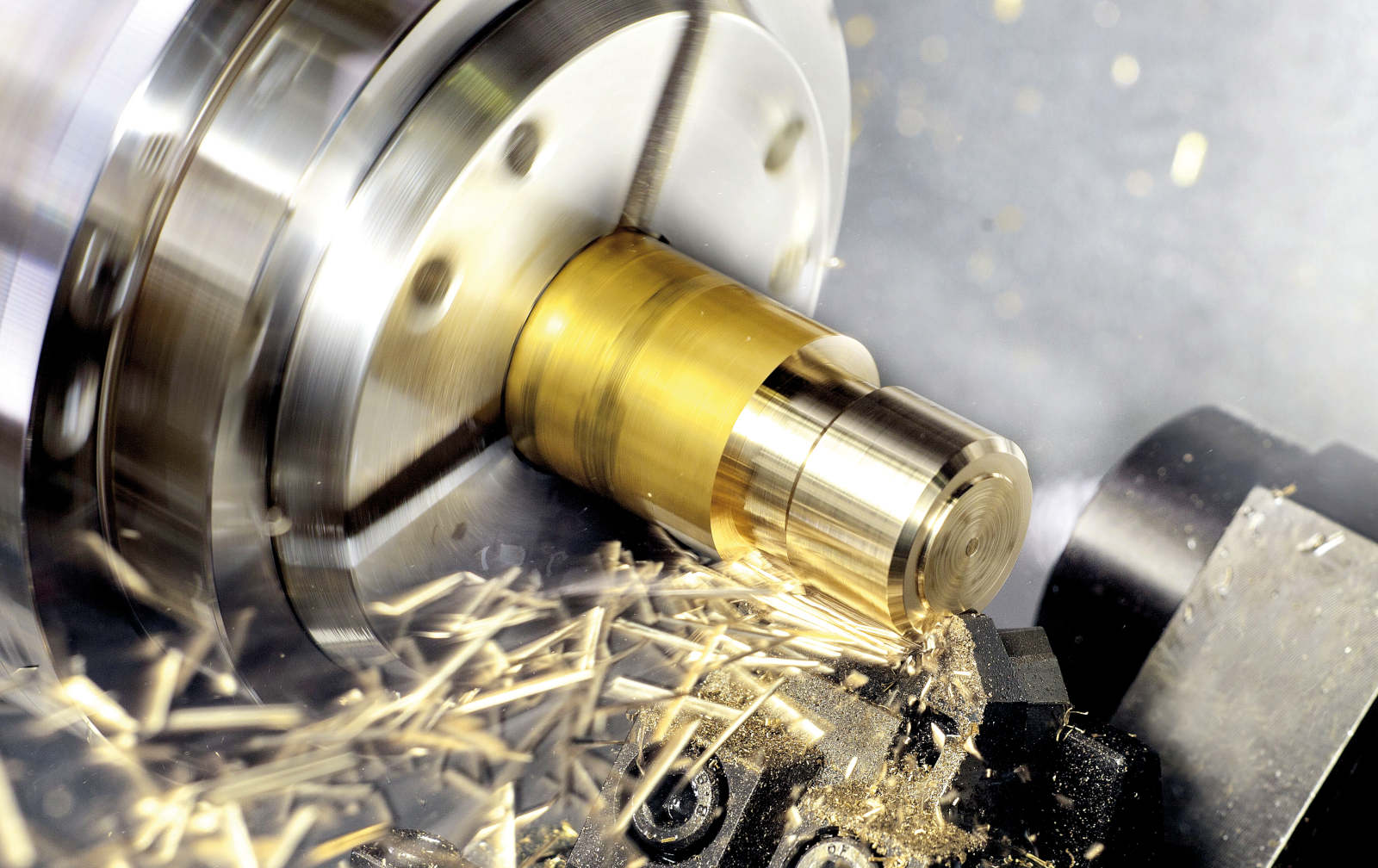
Copper turned parts are manufactured using CNC automatic lathes, which process round material (like rods or tubes) made of copper or copper alloys such as brass into the desired end product by rotating and simultaneously machining it with cutting, grooving, and forming tools.
The material for the copper turned parts is cut to the required length before the machining process and then automatically clamped in the CNC lathe. The workpiece is then set in rotation while tools evenly remove chips from the surface and produce the desired shape. The use of CNC machines ensures the required precision and the serial quality of the copper turned parts.
After the machining process, the copper turned parts may undergo a finishing process in which sharp edges are removed and certain surface qualities are produced. Sharp edges are removed by deburring and the surface is upgraded by polishing or brushing. In addition, heat treatment or coating may be required to improve the corrosion resistance and appearance of the copper turned part. Automated processes ensure accuracy and compliance with the tightest tolerances.
As pure copper is very soft and tough, alloys (such as brass or bronze) or specific hardening treatments are usually used for applications with high mechanical requirements - especially for components for sanitary or mechanical engineering.
As copper is thermally conductive, cooling lubricants may be required. Coolants containing sulphur should be avoided to prevent discoloration or corrosion of the copper.
Customized Copper Turned Parts in Small, Medium and Large Series
Flühs manufactures individual copper turned parts in small, medium and large series. We use mechanical and computer-controlled single and multi-spindle automatic lathes for the production of copper turned parts. We always use CNC automatic lathes for the production of long turned parts. Complicated turned parts are manufactured on turn-mill centers and production lathes in a single machining process.
Series production is carried out on modern CNC automatic lathes. During the entire production process, dimensions and tolerances are regularly checked - both by the specialist staff at the machine and by the quality assurance team. The final inspection is fully automated with the help of image processing systems that detect deviations and sort out rejects.
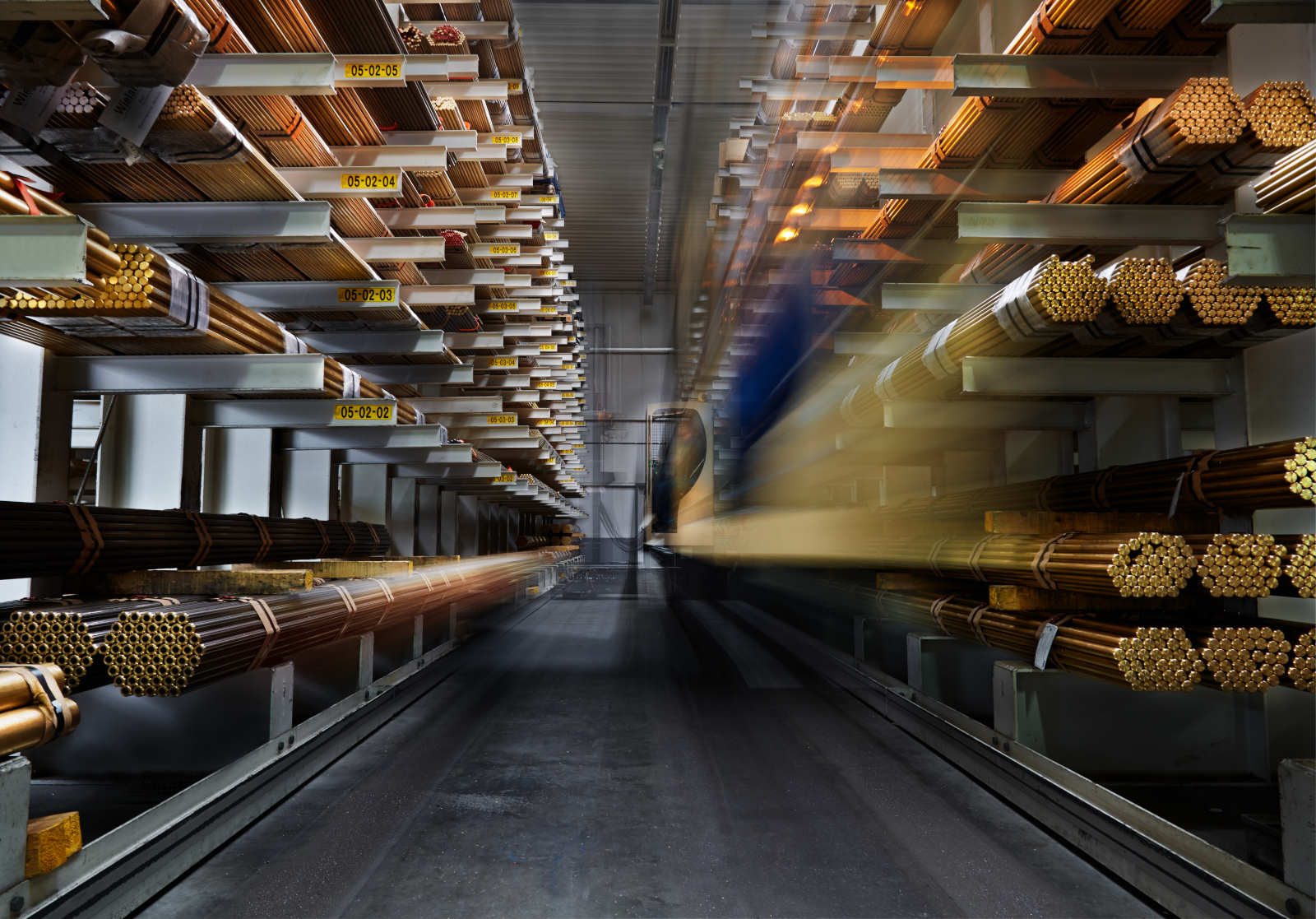
We source the brass rods, tubes and profiles we use exclusively from semi-finished product factories that supply first-class quality.
About us
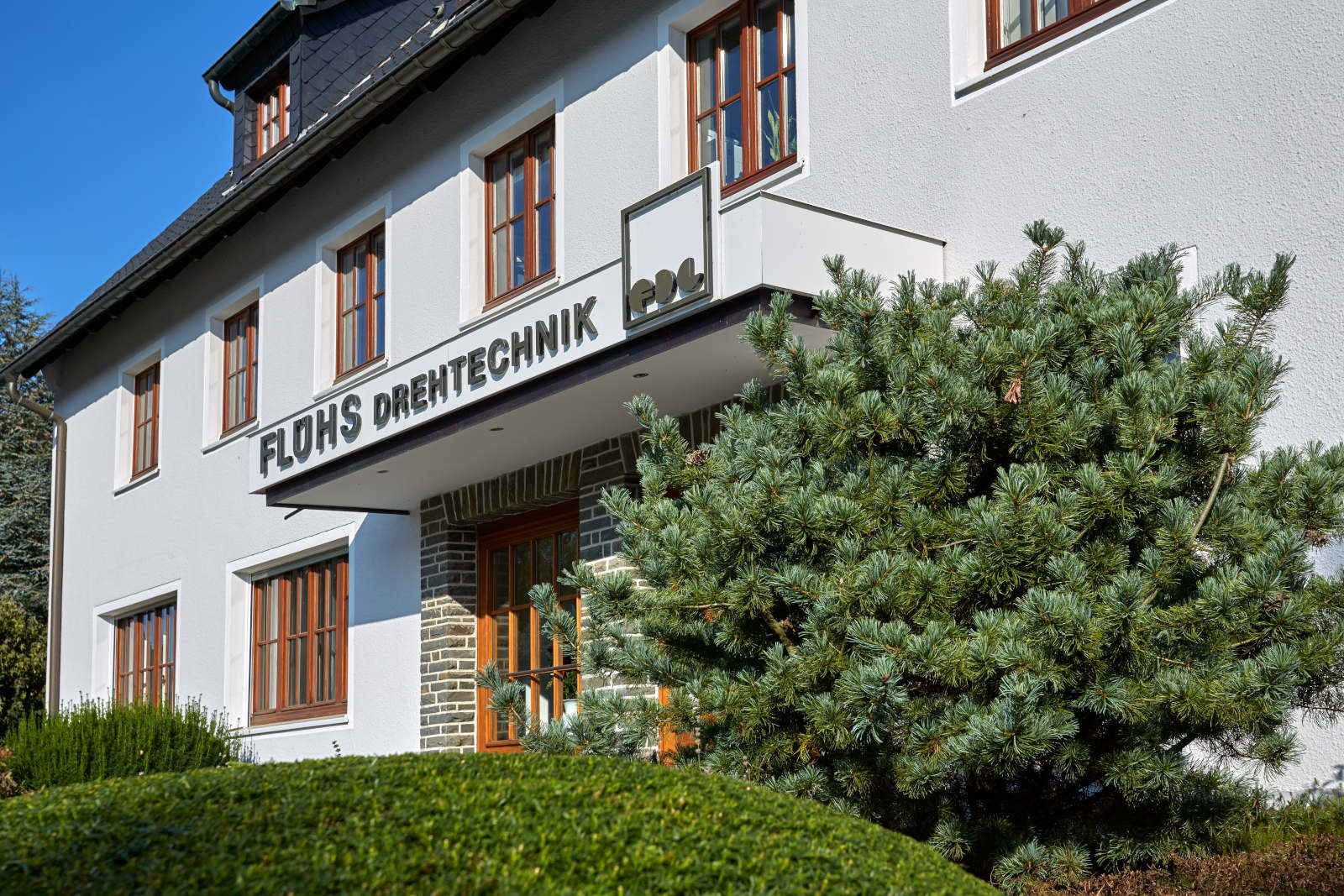
Copper and copper alloys, especially brass, are present in nearly all of our turned parts and valves. Since our founding in 1926, we have worked with this versatile, durable material. Flühs copper turned parts are used by the plumbing‑fixture industry worldwide. Our team can advise you on global certification requirements so you can make the right choice for your product. Our formula for success remains unchanged: high‑grade materials, precise state‑of‑the‑art manufacturing processes, and an in‑house quality‑management system based on ISO 9001 and ISO 14001. Over 200 patents are the result of our power to innovate, which has been with us for around a century. Flühs is a recognized training company for technical professions with diverse specializations. We are proud that most apprentices choose to stay with us after completing their training.